Nature Presentations, Guided Walks, and Workshops
Presentations for Nature Events and Workshops
About Nature Presentations
During nature evenings and workshops, photographs and short video clips give the stories a visual dimension. They help the audience to engage with the topic, spark curiosity, and experience the beauty of nature. For the best visual effect, it’s important that the room can be dimmed, allowing the images to appear clear and vibrant on the screen. Some topics can also be presented outdoors — by a campfire or along a hiking trail. These opportunities are mentioned in the descriptions of each presentation.
Below you’ll find a selection of the most popular presentation topics by Loodusemees (“The Natureman”). If you are interested in a different nature-related subject, feel free to reach out — we can discuss what’s possible and how to create a program that suits your event.
A single topic usually takes 1–2 hours to present. However, the content and duration can be adjusted according to the audience’s age, interests, and event format.
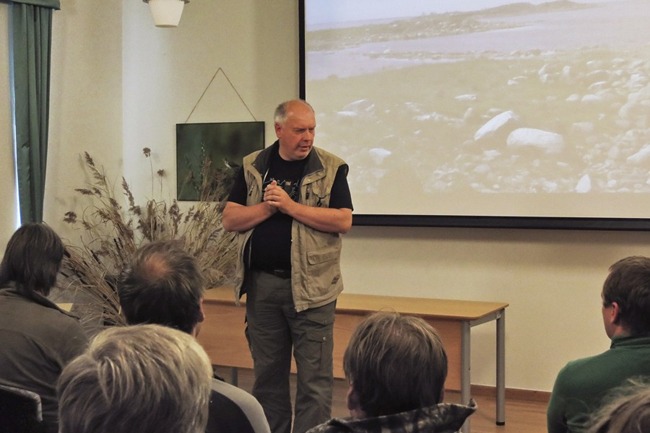
Nature Evening in Matsalu. Photo by Margit Mõttus
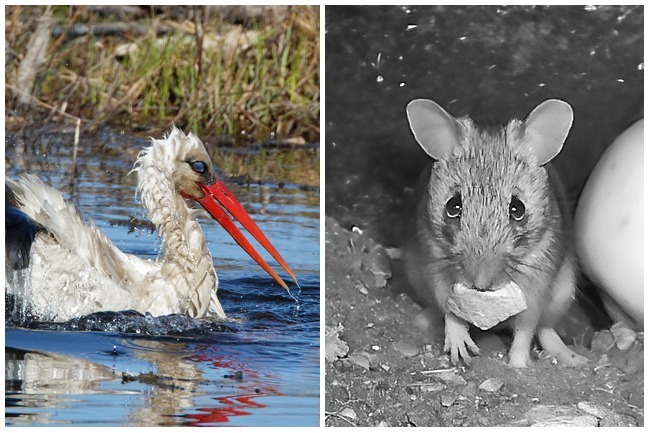
White Stork Enjoying a Bath. Yellow-necked Mouse carrying stones.
Stories About Animals
Stories about animals never leave a true nature lover indifferent. There are far more tales about animal life and behavior than can fit into a single meeting. That’s why the audience will have a chance to choose which animals or situations we will explore together.
What could we talk about? The list of possible topics includes wood mouse, white stork, sheep, cuckoo, grey partridge, moose, roe deer, large white-spot willow butterfly, capercaillie, otter, house sparrow, mallard, goldeneye, wild boar, wren — and many more. If desired, we can also narrow the focus and talk only about birds.
The stories are shared by Loodusemees Arne Ader, author of the popular book “Stories About Birds” (2005). During the presentation, the audience will hear about the speaker’s personal encounters with wildlife, and there will be plenty of opportunities to ask questions and share your own observations.
Booking: Read more about how to book this presentation here.
Stories from the Home Forest
A home forest that is managed as a continuous-cover forest is much richer in life than it may seem at first glance. Trees broken by storms become nesting places for birds, while the upturned root mounds of fallen spruces offer shelter and pathways for animals to dig their burrows. Upon closer inspection, even a raccoon dog’s latrine is not just a “toilet” in the forest, but a kind of scent library that tells stories to those who can read it.
This presentation will take you into the forests of Hinnomäe farm, using nature photos and trail camera recordings captured on-site. Our stories may include encounters with lynx, raccoon dog, badger, weasel, otter, mountain hare, squirrel, yellow-necked mouse, bank vole, common shrew, jay, blackbird, fieldfare, wren, nuthatch, great tit, coal tit, spotted flycatcher, spruce bark beetle, and many others.
The stories are shared by Loodusemees Arne Ader. This presentation will delight anyone curious about the hidden biodiversity of our home forests.
Booking: Read more about how to book this presentation here.
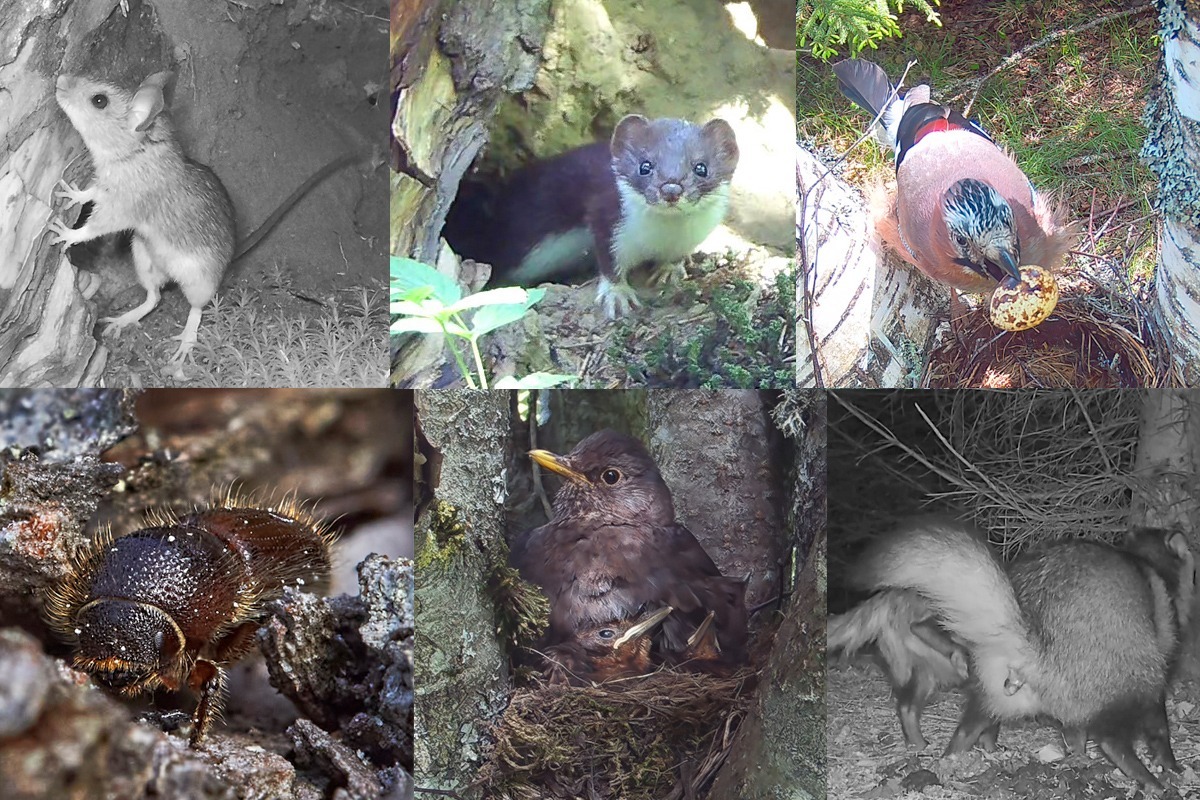
A glimpse into home forest biodiversity – Yellow-necked Mouse, Weasel, Jay, Spruce Bark Beetle, Blackbird, and Raccoon Dog.
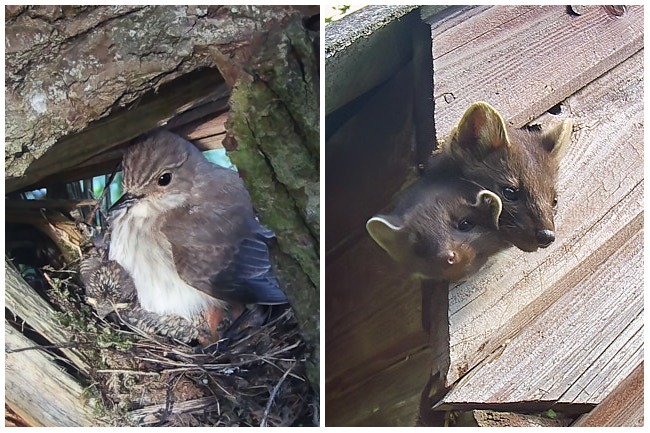
A female Spotted Flycatcher warming her chicks. A female Pine Marten (right) with her offspring.
Stories from the Trail Camera
In recent years, trail cameras have opened a window into the hidden lives of animals and birds. Loodusemees has used these cameras to observe wildlife behavior across a variety of habitats — forests, meadows, bogs, fields, gardens, and even in attic spaces.
The stories are shared by Loodusemees Arne Ader. A selection of trail camera stories can also be found on the Loodusemeees blog (in Estonian).
Outdoor Learning Option: For outdoor events, important photographs are available as high-quality prints, allowing this topic to be presented around a campfire or along a nature trail.
Booking: Read more about how to book this presentation here.
Nature as a Teacher
Have you ever thought that our best teachers live in forests, meadows, and bogs? While the internet and schools provide us with theoretical knowledge, true understanding and experience can only be gained by exploring nature firsthand. These experiences are invaluable — they teach us things that no textbook can offer: a sense of awareness, attentiveness, and respect for the diversity of life.
What could an owl teach us? How might a herd of wild boars deepen our understanding of the forest? What lessons lie hidden in a small yellow-flowered plant blooming in a meadow? And what might we learn when a wolf trots past us on a forest trail? This presentation will share many such lessons that nature offers to those who are willing to observe and listen.
The stories are shared by Loodusemees Arne Ader.
Booking: Read more about how to book this presentation here.
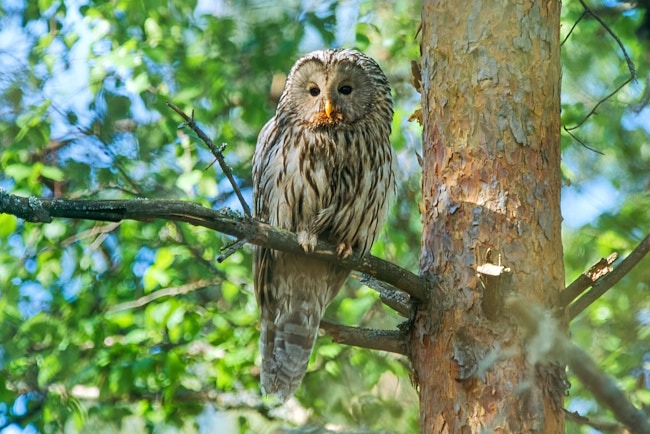
A Ural Owl in Alam-Pedja, shortly after giving me a memorable lesson of its own.
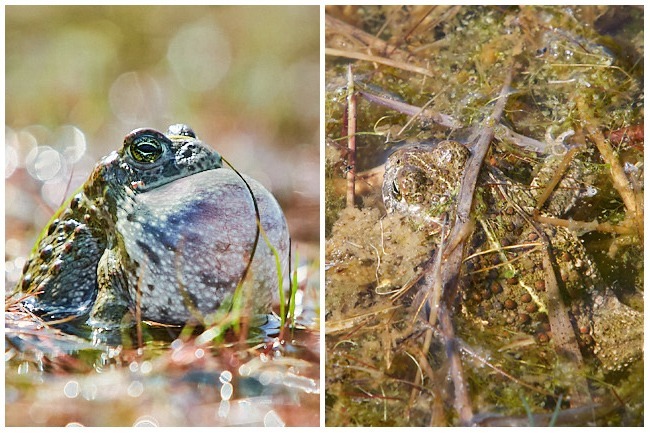
Both photos show the same Natterjack Toad
On Noticing, Thinking, and Being
There is no greater tool for learning than our own attention. What we notice becomes part of our life. Noticing is not just about seeing — it is about expanding our awareness, creating new connections, and reaching a deeper understanding.
One does not become a nature lover by simply thinking about nature, but by being present in nature. Thinking leads us to new knowledge, but being helps us to build a connection and love for the life around us.
During this presentation, we will reflect on how to balance thinking and being, so that even simple moments in nature can turn into profound experiences. Through nature photography, we’ll also practice a few simple observation exercises to sharpen our attention and presence.
The stories are shared by Loodusemees Arne Ader.
Booking: Read more about how to book this presentation here.
Bird of the Year 2025 – The Great Cormorant
The Great Cormorant is a bird that has stirred mixed emotions among people. Much of the frustration comes from its fish-based diet, which puts the cormorant in direct competition with humans. However, it is worth noting that humans catch many times more fish from the Baltic Sea than all the cormorants and seals combined.
The author of this presentation has been observing cormorants since the days when the species was still a rarity in Estonia. During the talk, we will take a closer look at Tondirahu Islet in Matsalu Bay, which years ago was home to a cormorant colony of nearly ten thousand birds — offering a unique opportunity to document the lives of these fascinating seabirds.
The presentation explores the life and behavior of cormorants, as well as the complex relationship between this species and humans, guided by Loodusemees Arne Ader.
Booking: Read more about how to book this presentation here.
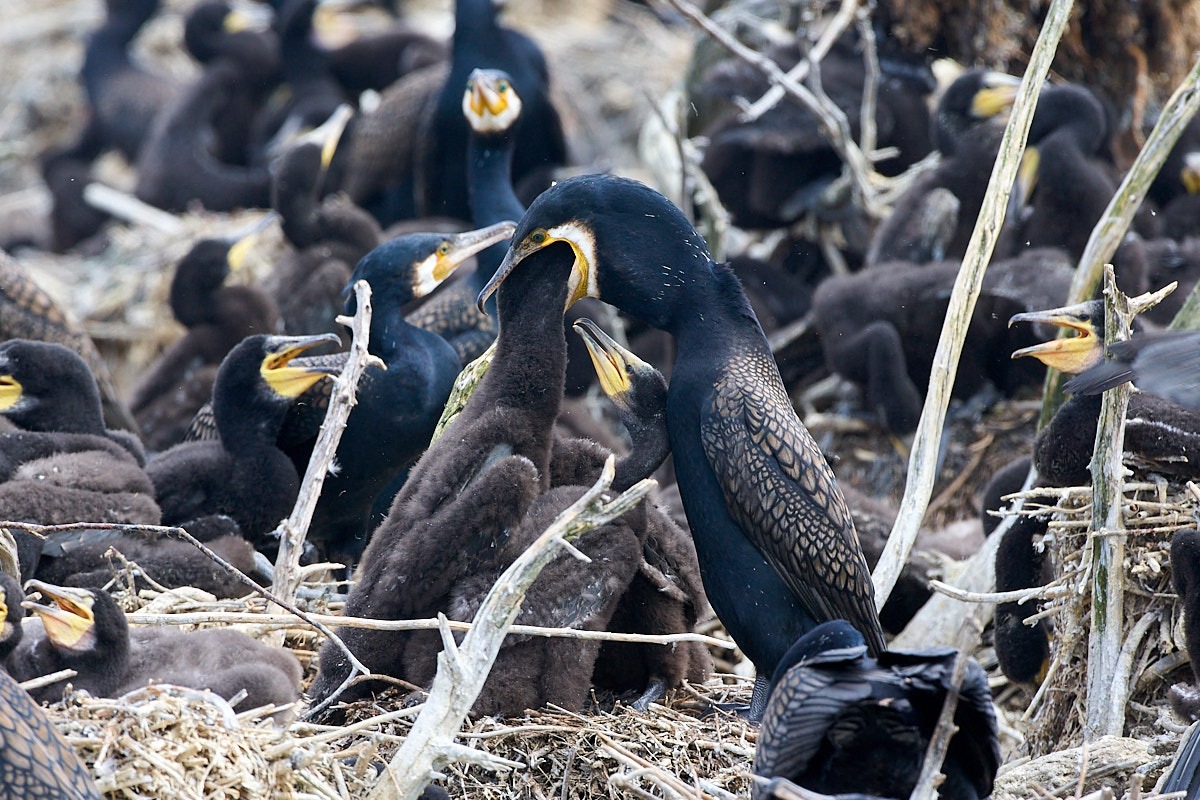
A Great Cormorant feeding its chick. Matsalu, Tondirahu, 2009
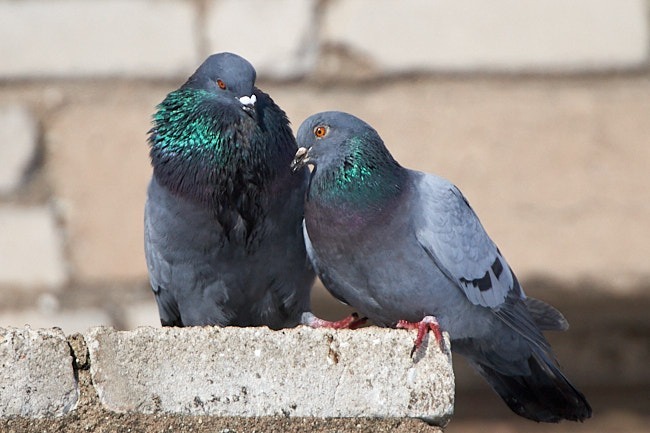
The pigeon father (left) and pigeon mother.
Mothers and Fathers in the Bird Kingdom
This presentation was originally created for a Mother’s Day campfire evening. On that occasion, the focus was solely on bird mothers, but later on, bird fathers naturally joined the story as well — after all, there are no mothers without fathers!
Loodusemees Arne Ader shares stories about the vital roles of bird mothers and fathers in family life, revealing the fascinating diversity of parenting strategies in the avian world.
Outdoor Learning Option: High-quality photo prints are available, making it possible to present this topic to small groups around a campfire or along a nature trail.
Booking: Read more about how to book this presentation here.
Birds Heralding the Spring
This visual and auditory journey takes us into the world of migratory birds that are the most cherished and well-known among Estonians. We introduce the birds in the order of their springtime arrival: rook, skylark, starling, northern lapwing, common shelduck, chaffinch, wood pigeon, common crane, song thrush, white wagtail, white stork, woodcock, robin, wren, common snipe, willow warbler, barn swallow, cuckoo, nightingale, European nightjar, and common swift.
During the presentation, we will dive deeper into the stories of 4–5 bird species, chosen based on the audience’s interests. This way, every nature evening becomes a unique and personally engaging journey for the participants.
The stories are shared by Loodusemees Arne Ader, co-author of the book “Birds Heralding the Spring” (with Margit Mõttus, 2020). You can read more about the book on the Loodusemeees blog (in Estonian).
Booking. This presentation is best suited for the spring migration season, from February to May. Read more about how to book this presentation here.
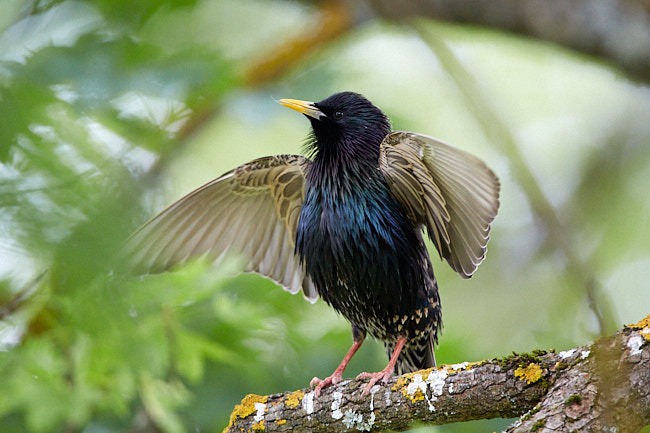
Estonia’s most beloved harbinger of spring – the Starling
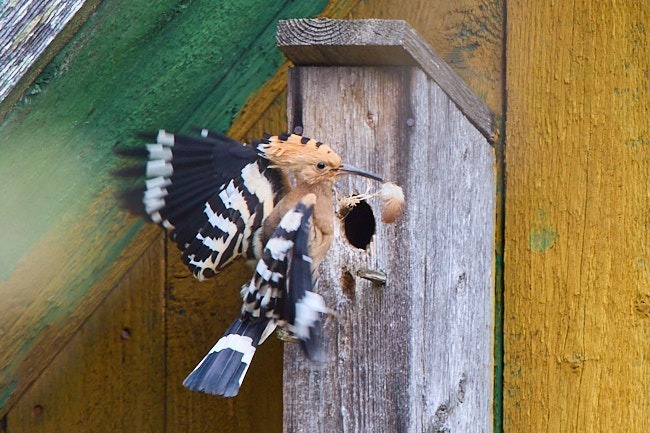
A Hoopoe inspecting a starling’s nest box
Nest Boxes and the Birds Who Call Them Home
In this presentation, we will introduce the bird species that commonly nest in birdhouses: starling, common swift, redstart, pygmy owl, great tit, tree sparrow, nuthatch, wryneck, spotted flycatcher, blue tit, and willow tit. We will discuss what types of nest boxes are best suited for each species — from the correct entrance hole size to the choice of materials, and how and where to place the boxes to ensure a safe and durable home for the birds.
The presentation or workshop is led by Loodusemees Arne Ader. Before building nest boxes, you can also find useful tips and instructions on the Loodusemeees blog (in Estonian).
Outdoor Learning Option: This topic is ideal for hands-on workshops, where participants can craft nest boxes on site.
Booking: Read more about how to book this presentation here.
Landscapes and Seasons of Estonia
When observing Estonia’s landscapes with a keen eye, the country reveals five distinct and beautiful regions: Western, Northern, Transitional, Eastern, and Southern Estonia. Each of these areas carries its own character — from bird-rich coastal shores and steep limestone cliffs to wet bog plains, impenetrable mires, and rolling hills dotted with blue lakes. Together we explore how landscape diversity shapes biodiversity.
Another great treasure of Estonia is its four distinct seasons. Spring, summer, autumn, and winter each reveal the land’s beauty in their own way — awakening, ripening, soothing, or chilling nature, giving us four very different Estonias to experience.
These stories are told by Loodusemees Arne Ader, co-author of the book “Estonian Conservation Areas” (2010, in English) with Tiit Leito and Kai Kimmel).
Depending on the audience and event, this presentation can be tailored either toward a geographical focus (informative) or the rhythm of the seasons (atmospheric and immersive).
Booking: Read more about how to book this presentation here.
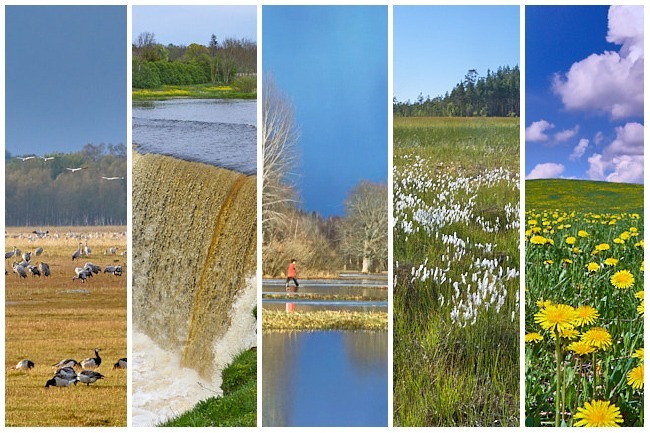
Western, Northern, Transitional, Eastern, and Southern Estonia.
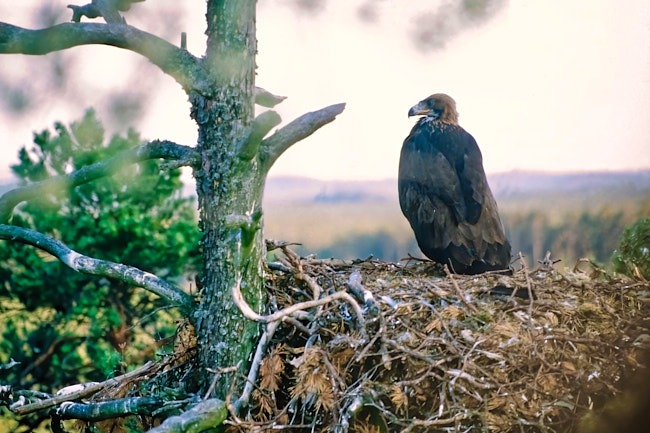
Golden eagle in Alam-Pedja
Stories from Alam-Pedja
Alam-Pedja – formerly known as Laeva Bog – holds special meaning for the author. In the 1980s, during his university years, he had the chance to explore this vast and wild natural area in depth. Those early journeys played a role in the eventual creation of the Alam-Pedja Nature Reserve.
In this presentation, we dive into the bogs, rivers, and forests of Alam-Pedja and the rich biodiversity they support. The stories are rooted in decades of personal journeys, nature photography, and encounters with the unique inhabitants of this remarkable region.
The presentation is led by Loodusemees Arne Ader, co-author of the books “Alam-Pedja Nature Reserve” (1997, with Einar Tammur) and “Alam-Pedja” (2012, with Sven Začek).
Booking: Read more about how to book this presentation here.
Stories from Matsalu
The bird kingdom of Matsalu has been the speaker’s dreamland since childhood. And as it often happens with dreams – they tend to come true. In 2007–2008, the opportunity arose to portray the enchanting nature of Matsalu, capturing the life of this special place through the changing seasons.
The result was a multimedia presentation titled “From Ice to Ice”, which takes viewers on a journey through the nature of Matsalu – from one winter to the next. During the event, we’ll watch this presentation together, explore its creation story, and share additional photos and observations that didn’t make it into the final work.
The stories are told by Loodusemees Arne Ader.
Booking: Read more about how to book this presentation here.
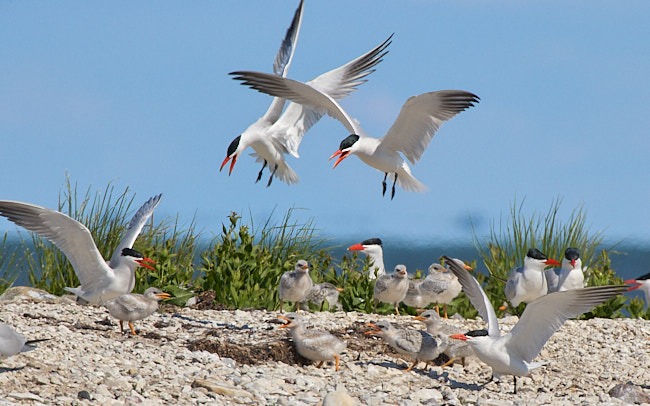
A colony of Caspian terns. Matsalu
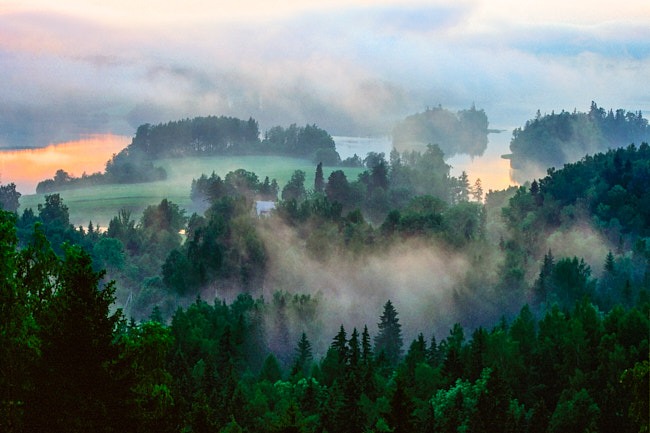
Lake Pühajärv
Stories from Otepää
Otepää is the presenter’s home region. The colours, sounds, and scents of this place have been a constant companion since childhood. Each season offers something special to those who explore Otepää: the murmur of brooks in springtime liverwort forests, the scent of meadowsweet on summer nights, the vibrant blaze of autumn groves, and the crisp winter light on snow-covered hills – all these elements give this landscape its unique spirit.
During the presentation, we will also watch the multimedia piece “The 12 Faces of Otepää”, which captures the diversity of Otepää’s landscapes through the rhythm of the seasons and shifting light.
Stories are shared by nature educator Arne Ader, author of the book “Otepää” (2007) and creator of the multimedia “The 12 Faces of Otepää” (2009).
Booking: Read more about how to book this presentation here.
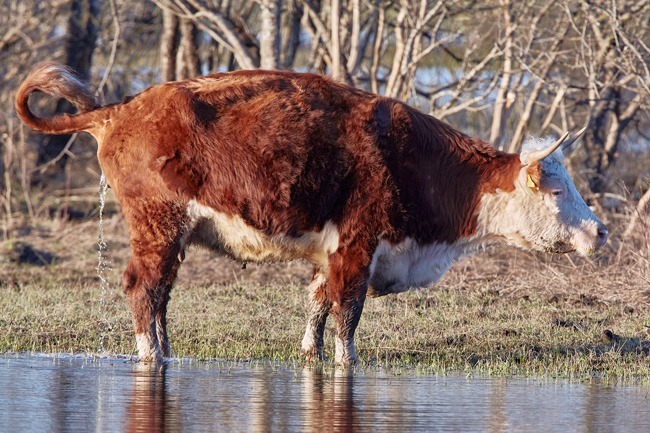
Water within us and around us. Hereford cattle on the floodplain of the Mustjõgi River
Water Within Us and Around Us
We live on a blue planet, coloured by the World Ocean. But water doesn’t flow only through oceans and rivers – it flows through us as well! About two-thirds of the human body is made up of water, forming a mysterious connection between us and the natural world around us.
In this presentation, we explore the wondrous properties of water and how it moves through nature – evaporating, condensing, falling as rain, and seeping back into the Earth. On its journey, we encounter clouds, springs, bogs, forests, lakes, and oceans – all interconnected in the great water cycle that sustains life on our planet. Every drop of water within us and around us is part of a larger whole, the care of which is our shared responsibility.
The stories are shared by nature educator Arne Ader, one of the co-authors of the educational resource Water-themed Learning Folder (2014, with Urmas Tartes).
Booking: Read more about how to book this presentation here.
Christmas Light
Join us on a visual journey through a world of snow and ice. What wonders await us there – spruces, bullfinches, sheep, and frost – all sharing a common thread: beauty and peace.
As the days of December grow shorter, our yearning for light grows stronger. We long for the glow of winter light on snowy fields… And when it finally appears, there is no greater Christmas gift! Or perhaps there is – what if, on a snow-covered branch, sits a red-breasted bullfinch?
Stories shared by nature educator Arne Ader.
Booking: This presentation is available only during the Christmas season. Read more about how to book this presentation here.
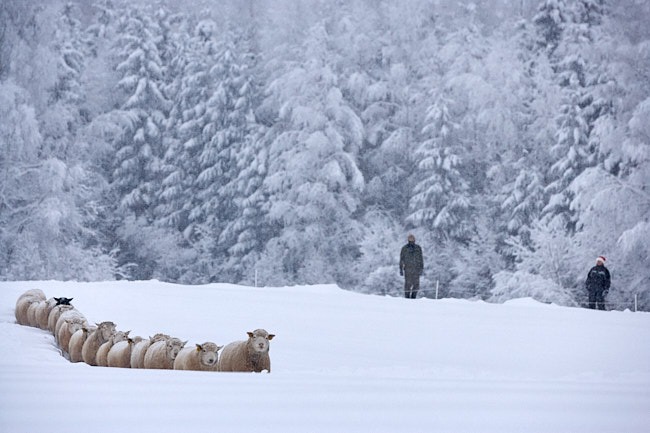
Home for Christmas!
Guided Nature Walks at Hinnomäe
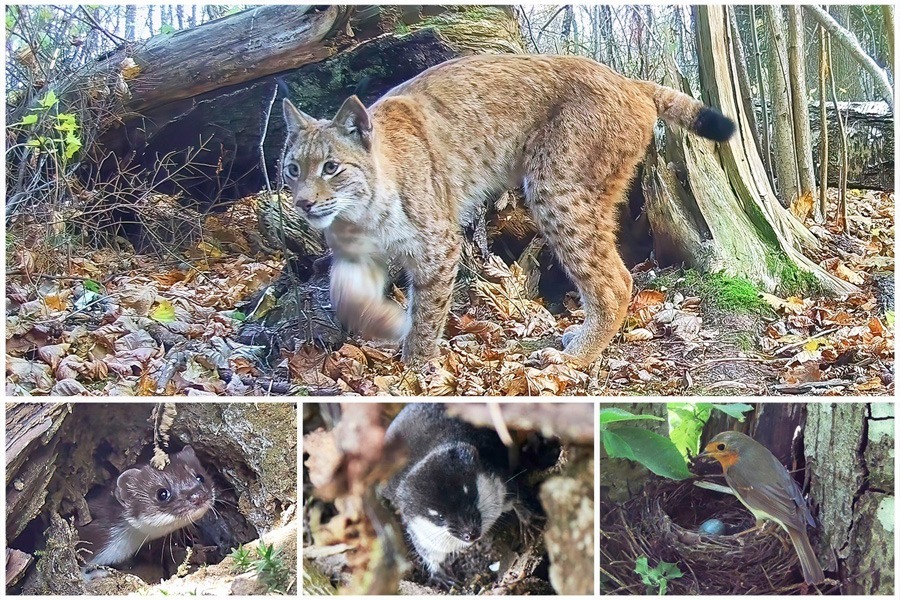
Lynx, weasel, water shrew, and robin.
Walk to Hinnomäe Sinilillemets Forest
On the eastern slope of Hinnomägi hill lies a 2.5-hectare nemoral forest, whose oldest part is at least 130 years old. In July 2016, a powerful storm felled the mightiest birches, aspens, ashes, and spruces in this place. That was when the idea was born — to create a nature trail where one can witness that fallen trees do not mean the forest is destroyed. There we can walk through the storm-damaged area, observing how the broadleaved forest evolves under minimal human influence.
To explore the life of animals and birds, we use trail camera footage. We view the trail camera photos right where they were captured and discuss how this forest habitat works as an ecosystem. In the aspen grove we examine how badgers mark their territory and how a cavity made by a great spotted woodpecker makes life easier to many other forest dwellers. In the oldest part of ther forest, we talk about how a neighbouring farm’s cat helped us capture a lynx on camera — and how a wren’s nesting lasted from spring to autumn. We also explore how curious the creatures of the forest really are. And that’s definitely not all…
Season: April to October. Duration: About 2 hours.
Location: Walks take place in the forests of Hinnomäe Farm, in the Otepää Upland. Directions will be sent to registered participants.
Booking: Read more about booking the hike here.
Nature Walk to Üraskimets Forest
On the southwestern slope of Hinnomäe lies a small spruce stand that took root on a former pasture around 75 years ago. In recent years, this spruce forest has suffered heavily due to attacks by the spruce bark beetle. That gave rise to an idea — to observe how a forest naturally recovers after the spruces have died off.
To explore the life of animals and birds, we use trail camera recordings. We view these photos right where they were taken and discuss the possible reasons behind different animal behaviours. We observe a site where mountain hares are active in winter. We visit a place where young song thrushes were once seen “practicing nesting”. In Üraskimets forest we explore how spruce bark beetles reshape the forest — and if it happens to be beetle flight season, we’ll even try to spot some up close. On the wooded meadow,we examine a raccoon dog latrine and discuss its role and usefulness in nature. And that’s certainly not all…
Season: April to October. Duration: About 2 hours.
Location: Walks take place in the forests of Hinnomäe Farm, in the Otepää Upland. Directions will be sent to registered participants.
Booking: Read more about booking the hike here.
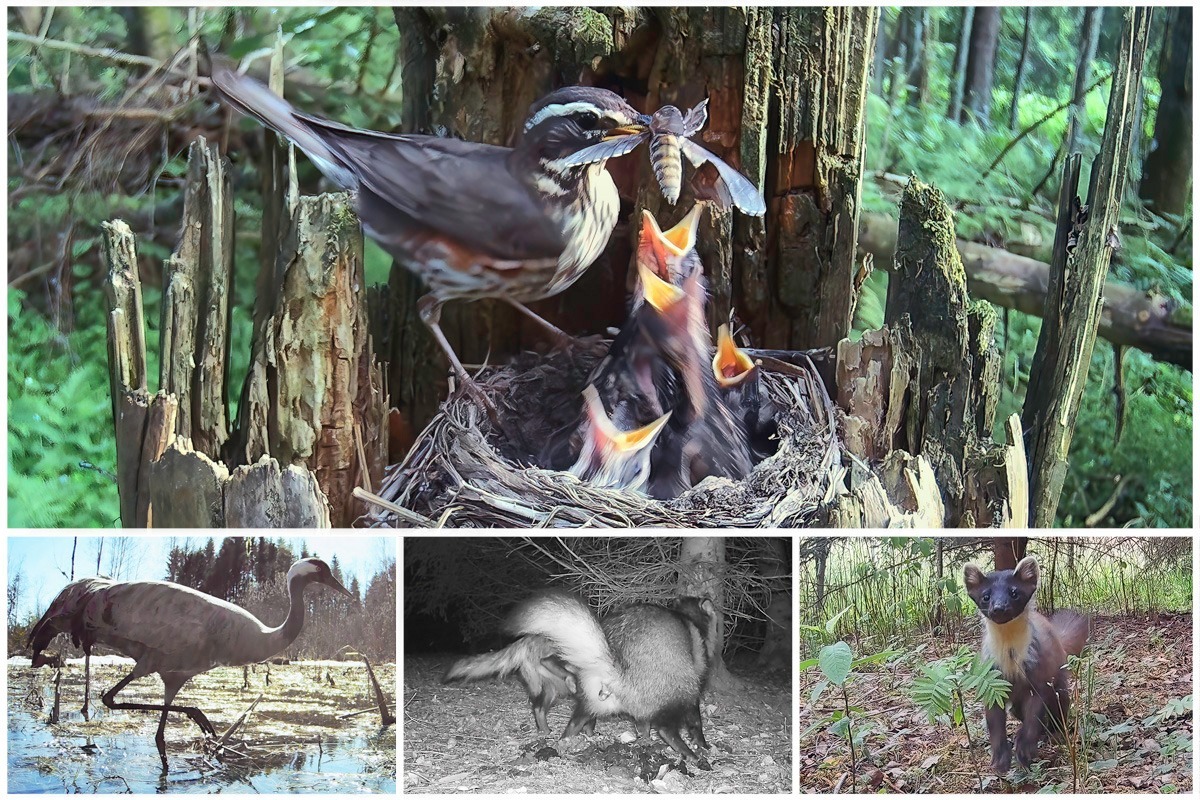
Vainurästas, sookurg, kährikud ja metsnugis
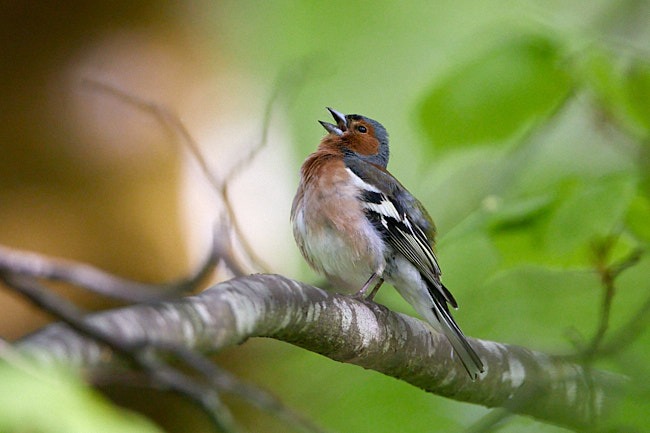
Chaffinch
Birdsong Walk
To better understand the birds in our home landscapes, we must first learn to recognise their songs and calls. This birdsong walk offers a practical opportunity to train your ear and become familiar with the voices of our feathered friends.
Season. Spring and early summer. When possible, we prefer early morning hours. The walk lasts about 2 hours.
Location. Along the Hinnomäe nature trail in the Otepää Upland. Upon request, birdsong walks can also be arranged in other parts of Estonia.
Booking: Read more about booking the hike here.
Bark Beetle Walk on Hinnomäe Nature Trail
Bark beetles are part of the biodiversity of our forests. Just as we must live with ticks and mosquitoes, we must also learn to live with bark beetles.
On this walk, we learn to recognise signs of bark beetle activity and check pheromone traps. We examine the beetles using photos and magnifying lenses. We also discuss what useful things can be done with beetle-dried spruce trees and observe how forest gaps created by bark beetles naturally regenerate.
Time. During the bark beetles’ flight period in late spring and summer. The walk lasts about 2 hours. We conduct beetle observations only in dry weather.
Location. On the Hinnomäe Nature Trail in the Otepää Upland. Directions will be sent to registered participants.
Booking: Read more about booking the hike here.
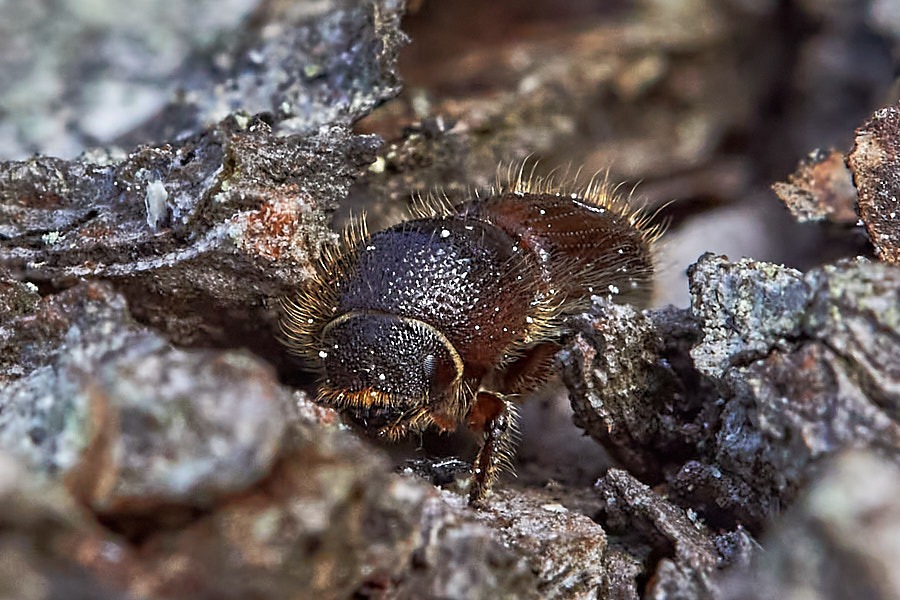
Spruce bark beetle (Ips typographus)
Nature Photography Workshops
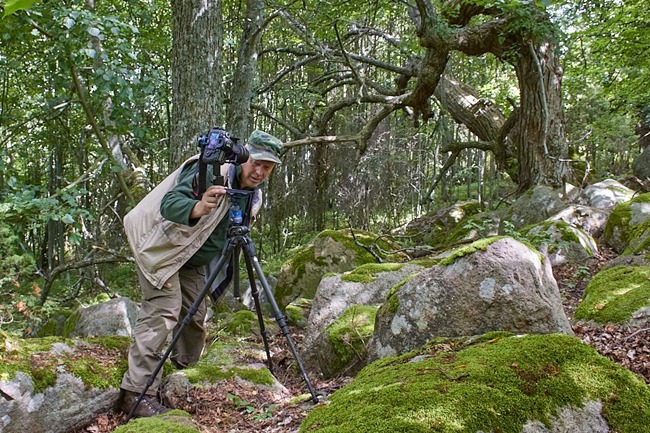
Panorama Shooting on Mohni Island
One-Day Photography Workshop or Three-Day Masterclass
One-Day Workshop
This focused session lasts between 2 and 8 hours (typically 3–4 hours), during which we concentrate on the topic or topics requested by the client. It’s a practical and flexible format, tailored to your interests.
Three-Day Masterclass
A deeper dive into nature photography, the masterclass spans three days: Day 1 (Evening) – Theory session and preparation; Day 2 – (Full day) – Fieldwork and selecting photos for analysis; Day 3 (Morning) Image review and feedback. This format usually begins on a Friday evening and ends on Sunday afternoon.
Instructor: Arne Ader
When: Workshops and masterclasses can be arranged year-round.
Where: Anywhere in Estonia. For the masterclass, the chosen location must include accommodation options.
Booking: Read more about how to book a workshop here.
Trail Camera Workshop
Every trail camera user knows that the image and video quality of these recording devices tends to be below average. Animals close to the camera often appear blurry and overexposed. In low light, images are out of focus and lack detail. Nocturnal animals’ eyes tend to glow like flashlights…
Can it be better? Join the workshop to discuss and practice. Read more in our blog (in Estonian).
Instructor: Arne Ader
When: From April to October. The workshop lasts 3 (beginner course) or 6 hours (advanced course).
Where: Advanced trail camera workshops are held only at Hinnomäe. Beginner workshops can be organized anywhere in Estonia.
Booking: Read more about how to book a workshop here.
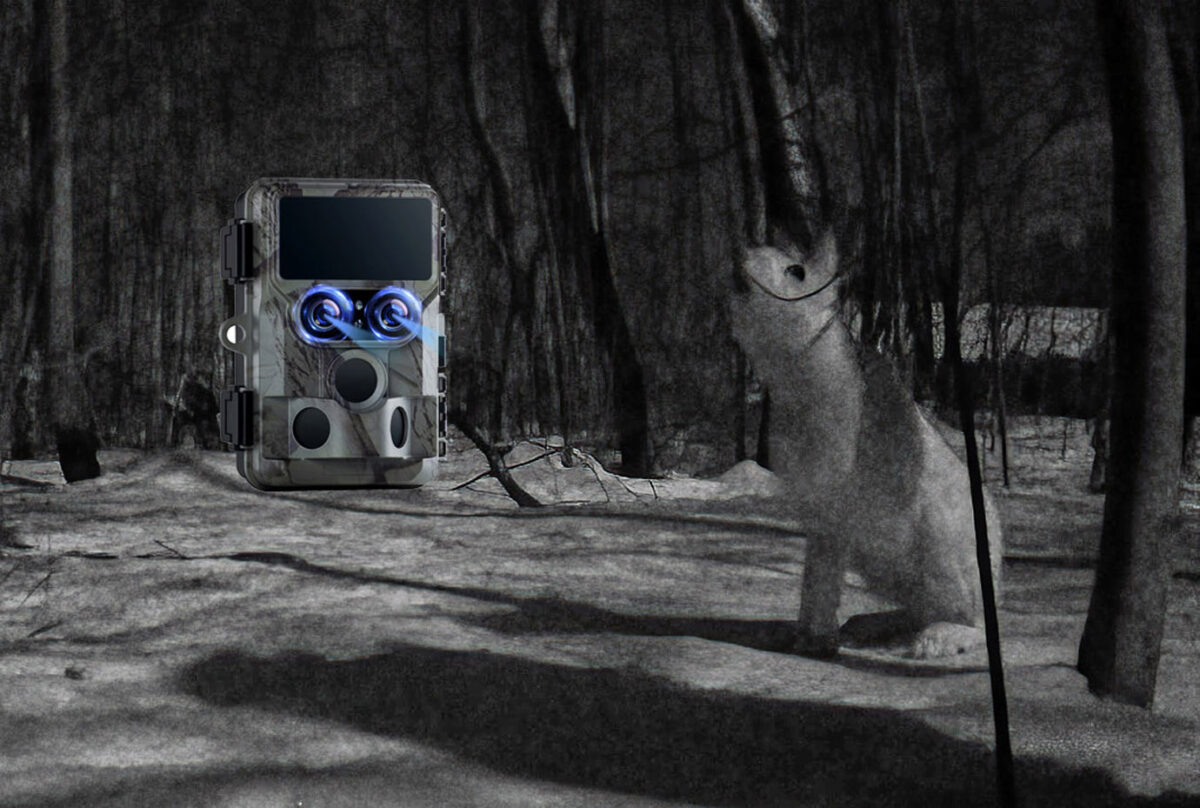
Mountain hare on a full moon night. Trail camera shot.
Prices and Booking
Outdoor Learning at Hinnomäe
Hinnomäe is the Loodusemees outdoor base, located in Hauka village on the Otepää uplands — just 8 km from Otepää.
See the location on the map here…
Private guided hikes: €225
Advanced trail camera course: €600
All prices include VAT (24%).
Ticket prices for open group hikes organized by Loodusemees are listed on the respective event announcements.
The maximum number of participants per hike is 16 people. Exceptions are possible upon agreement.
Activities in Other Locations in Estonia
The fee for a lecture up to 2 hours is €248. Each additional hour: €35/hour.
Travel costs are added: €0.30/km (round trip from Otepää). For longer distances, accommodation and ferry costs may also apply.
All prices include VAT (24%).
To book a service, request a quote, or get more information, please click the button below to send us a message!